
At a glance
- Private label adhesive minimums
- Often 50 to 100 bottles to start
- First production run
- About 4 to 6 weeks after design approval
- Repeat orders
- Days, not weeks, once you are set up
- FDA small-business line
- Under $1 million a year in cosmetic sales
- Two customers
- Retail shoppers and working lash artists
Decide who you are selling to
A lash brand can serve two very different buyers, and the products, prices and marketing are different for each.
- Retail shoppers buy strip lashes, magnetic lashes and DIY cluster kits they apply at home. They buy on looks, reviews and social content, and they need clear how-to help.
- Lash artists buy extension trays, adhesive, primers, removers, tweezers and aftercare in bulk. They buy on retention, consistency and price, and once they trust an adhesive they reorder for years.
Brands that sell to both usually build a separate pro side with wholesale pricing behind an application, so retail prices stay intact while artists get the volume discount that keeps them loyal.
Private label, white label or custom
- White label: you buy a factory's existing product with minimal or generic branding. Cheapest and fastest, but nothing stops a competitor selling the same lash.
- Private label: the factory's proven product with your name, labels and packaging. This is where most new brands start. You control the brand without paying to develop a formula or lash style from scratch.
- Custom: lash styles, curl and length combinations or adhesive formulas made to your spec. More control and a product no one else has, but higher minimums and longer lead times.
Minimums depend on the product. One Korean private-label adhesive program, for example, starts at 50 five-milliliter bottles with 1,000 branded stickers, quotes 4 to 6 weeks for the first run and 5 to 7 days for repeats. Lash trays and strip lashes have their own minimums, often set by the packaging rather than the lashes.
Order samples from several suppliers and wear-test them yourself, or have working artists test them. Retention and comfort are what customers judge you on.
The FDA rules for a cosmetics brand
Lashes, adhesives, primers and removers are regulated as cosmetics in the US. The Modernization of Cosmetics Regulation Act of 2022 (MoCRA) added real obligations for the companies whose names appear on the label.
- Facility registration and product listing with the FDA, unless you qualify as a small business.
- The small-business exemption covers companies averaging under $1 million a year in US cosmetic sales over the previous three years. The FDA adjusts that figure for inflation.
- Even exempt businesses must keep records of serious adverse events and still have to follow FDA labeling rules.
- Ask every supplier for ingredient lists, safety data sheets and their own registration status, and keep them on file.
Adhesives deserve extra care. Most lash glue is cyanoacrylate-based, so label warnings, a patch-test recommendation and clear instructions protect your customers and your brand.
If your customers are applying extensions for clients, they are working under their own state cosmetology or esthetics license. That is their responsibility, but your education content should never suggest otherwise.
Packaging and the brand
In lashes, the box is part of the product. Customers post unboxings, and artists choose suppliers partly on how the products look on their station. Budget real money for a logo, a consistent box system and good product photography before you budget for ads.
Keep the first range small: a handful of strip styles or one DIY kit for retail, and one adhesive with matching primer, remover and aftercare for pros. You can widen the range once you know what sells.
Selling it
- Your own store, with a pro application page and wholesale pricing for approved artists.
- Short how-to videos. Most lash purchases start with someone watching an application tutorial.
- Artist ambassadors who get product in exchange for honest content and a discount code.
- An email list. Lash buyers reorder on a cycle, and a reminder at the right time is the cheapest sale you will make.
- Marketplaces such as Amazon once your reviews and packaging are strong, not before.
The order to do it in
- Choose retail, pro or both.
- Order samples from three or more suppliers and wear-test them.
- Set up your company, business license and payment processing.
- Build the brand: name, logo, packaging and photography.
- Place your first private-label order.
- Confirm your MoCRA status and keep supplier documentation on file.
- Launch the store with education content and a pro application.
- Recruit a small group of artist ambassadors and start the email list.
The shortcut
Or start with the brand already built
The brand, store and wholesale setup are the slow part. A Burro arrives with the name, logo, website and pro pricing already built, so you can put your first month into product and customers.
E-commerce
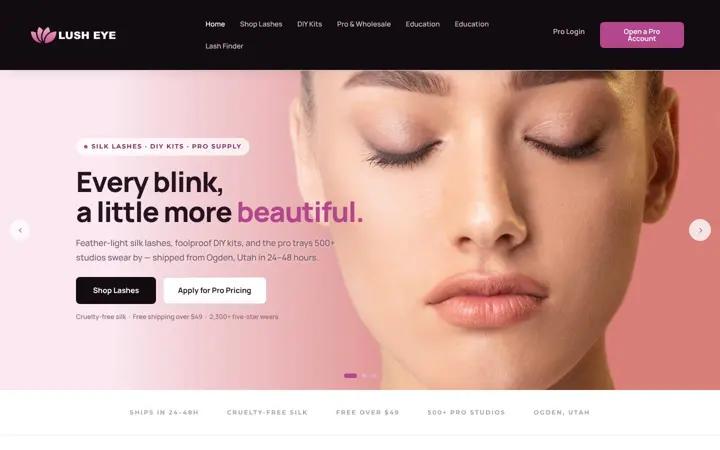
Lush Eye
Silk lashes, DIY kits and pro supply, with a wholesale side for lash artists.
Lead Generation
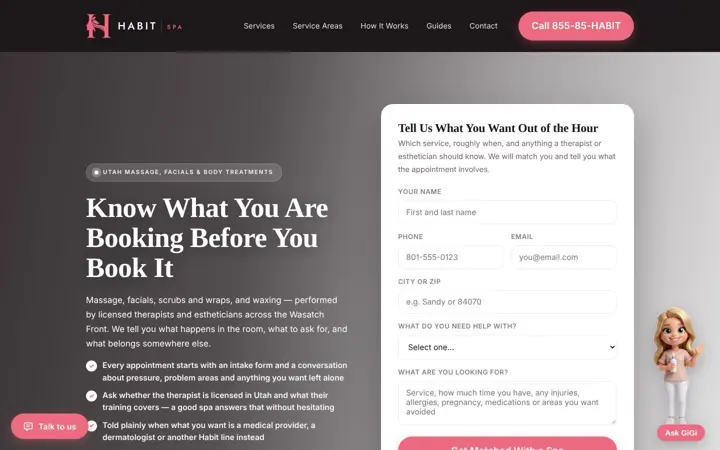
The Habit Collection
Ten Utah beauty and wellness sites under one brand, sold together.
Questions people ask
Do I need a license to sell lashes?
Selling lash products generally needs only normal business registration, but your products are cosmetics under FDA rules. Applying lash extensions to clients is different: most states require a cosmetology or esthetics license for that.
Does MoCRA apply to a small lash brand?
Partly. Businesses averaging under $1 million a year in cosmetic sales are exempt from FDA facility registration and product listing, but they still have to keep serious adverse event records and follow labeling rules.
How much stock do I have to buy to start?
It depends on the supplier and the product. Private-label adhesive programs can start around 50 to 100 bottles, while lash trays and boxed strip lashes are often set by packaging minimums. Ask for quotes at two or three order sizes.
Should I sell to lash artists or to consumers?
Consumers are a bigger market, but artists reorder steadily and in volume. Many brands start with one and add the other through a separate pro section with wholesale pricing.
Sources
- Registrar Corp: MoCRA exemptions
- Stacy Lash: Private label program
- Incosmetix: How to start a lash line
This guide is general information, not legal or medical advice. Rules differ by state and change often, so confirm the requirements with your state boards and a licensed attorney before you open.