
At a glance
- Lean mobile start
- $5,000 to $15,000
- Mobile with a dedicated vehicle
- $50,000 to $100,000
- Drip lounge
- $100,000 to $200,000
- Typical drip price
- $100 to $400+, about $280 on average
- Time to open
- 30 to 60 days mobile, 3 to 6 months for a lounge
Pick your model first
Everything else, from cost to licensing to staffing, follows from one decision: will you go to the client, or will the client come to you?
- Mobile. A nurse travels to homes, hotels, offices and events. Lowest startup cost and fastest to open, and the easiest way to test demand. Your limits are drive time and how many nurses you can schedule.
- Drip lounge. A fixed location with treatment chairs. Higher rent and build-out, but walk-in traffic, more clients per nurse per hour, and a place for memberships and add-on injections.
- Hybrid. Start mobile, then open a lounge once you know which neighborhoods and drips sell. This is the most common path for owners who are not already running a clinic.
Many operators also sell group bookings: bridal parties, corporate wellness days and sports teams. One nurse can run several chairs at once, and these bookings are often the best-margin work in the business.
The medical side is not optional
IV fluids are prescription products. State boards of medicine, nursing and pharmacy have spent the last few years making that clear, and several have issued formal guidance aimed directly at retail IV businesses.
- A qualified prescriber has to see each client first. Alabama's Board of Medical Examiners ruled in 2022 that a physician, PA or nurse practitioner must perform a good faith exam, in person or by telehealth, create a medical record and issue an order before IV therapy. A nurse cannot make that call alone, and standing orders do not replace the exam.
- A nurse alone is not enough. South Carolina's boards called an RN being the only licensed professional involved unacceptable. Mississippi said using standing orders to skip the practitioner relationship is grounds for discipline.
- A menu is a problem if it skips the order. Regulators have compared pick-your-drip menus to ordering fast food. You can show a menu, but the drip a client receives has to come from a prescriber's order for that client.
- Mixing additives into a bag can count as compounding. Many states treat it that way, and compounded products may need to come from a licensed 503A or 503B pharmacy.
In practice this means you need a physician medical director, typically $500 to $3,000 a month, plus a way to do the good faith exam before each client's first drip. Telehealth exam services exist for exactly this. Who may own the business also varies: some states, California among them, have corporate-practice rules that require physician ownership, while others such as Florida let non-clinicians own it.
Rules differ by state and change often. Before you spend money, book an hour with a healthcare attorney in your state. It is the cheapest insurance in this business.
Who you need on the team
- A medical director: an MD or DO who signs off on your protocols and supervises the clinical side.
- A prescriber for good faith exams: the medical director, an NP or PA, or a telehealth service.
- Infusion nurses: RNs in most states. Some allow LPNs or paramedics under supervision. Check your state's scope-of-practice rules.
- Someone to answer the phone and book appointments. In a mobile business this is the job that decides whether you grow.
Every clinician needs their own malpractice coverage, and the business needs professional liability (roughly $5,000 to $15,000 a year), general liability ($1,000 to $3,000 a year) and, if you are mobile, commercial auto that covers medical supplies.
Licenses and paperwork
- A business entity, usually an LLC, or a professional entity where your state requires one.
- A city or county business license and an EIN.
- Any state clinic, outpatient or facility permit your state requires for a lounge.
- Medical waste generator registration and a licensed waste hauler or mail-back program for sharps.
- HIPAA policies, OSHA bloodborne-pathogen training and a written exposure control plan.
- Wholesale accounts with licensed medical distributors, and a compounding pharmacy relationship if you use one.
Equipment and supplies
The clinical kit is modest. Catheters in several gauges, fluid bags (250, 500 and 1,000 mL), sterile tubing, IV poles or hooks, tourniquets, dressings, alcohol and chlorhexidine prep, gloves and PPE, and sharps containers, including portable ones for mobile visits.
You also need monitoring and emergency gear: a blood pressure cuff, pulse oximeter, thermometer and an emergency kit with epinephrine and antihistamines that matches your medical director's protocol. Add a medical-grade refrigerator for vitamins and additives, kept separate from food.
A lounge adds reclining chairs, lighting and a reception area. A mobile operation needs a vehicle set up with shelving, cold storage and secure sharps disposal.
Pricing and the money
Basic hydration bags start around $100. Vitamin and specialty drips run $150 to $400 or more, and the average session is about $280. Sessions last 30 to 60 minutes. Add-on injections such as B12, memberships, packages and group events are where the margin grows.
Your biggest variable costs are nurse time and travel. A lounge spreads that across more clients per hour, and a mobile business recovers it by charging a travel or call-out fee and grouping bookings by area.
Getting your first clients
IV therapy is a search-driven purchase. People type "IV therapy near me" or "hangover IV" on the morning they want it, so your website and Google Business Profile do most of the selling.
- A website that lets people book on the first screen, with a page for each reason people come in: hangover, athletic recovery, immunity, NAD, vitamin injections, group events.
- A Google Business Profile with photos, hours and reviews from day one.
- Introductory pricing for your first 20 to 30 clients in exchange for honest reviews.
- Partnerships with gyms, wedding planners, hotels and event venues.
The order to do it in
- Choose mobile, lounge or hybrid.
- Talk to a healthcare attorney about your state's ownership, prescriber and compounding rules.
- Form the entity and get your business license and EIN.
- Sign a medical director and set up good faith exams.
- Hire or contract your nurses and confirm their scope of practice.
- Bind insurance.
- Open supplier, pharmacy and waste accounts.
- Build the website, booking and Google profile.
- Soft-open with intro pricing, collect reviews, then launch.
The shortcut
Or start with the brand already built
Step eight, the brand, website and booking flow, is the slowest part to get right and the easiest to skip. Every Burro below already has the name, domain, logo and finished website, so you can spend your first month on the medical director, the nurses and the clients.
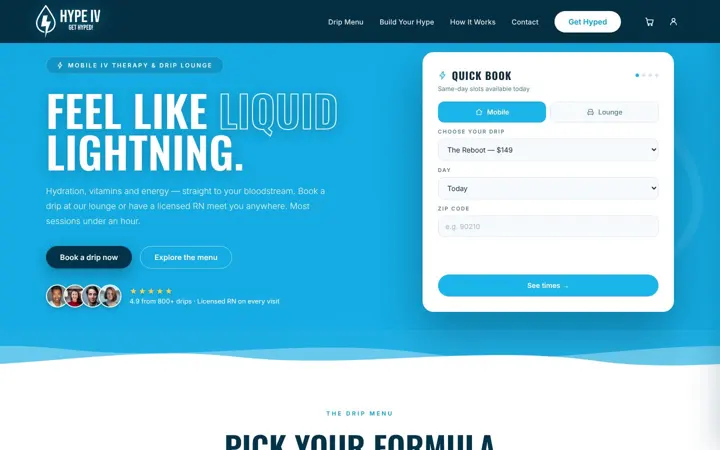
Health Services
Hype IV
Mobile IV therapy and a drip lounge, with booking on the home page.
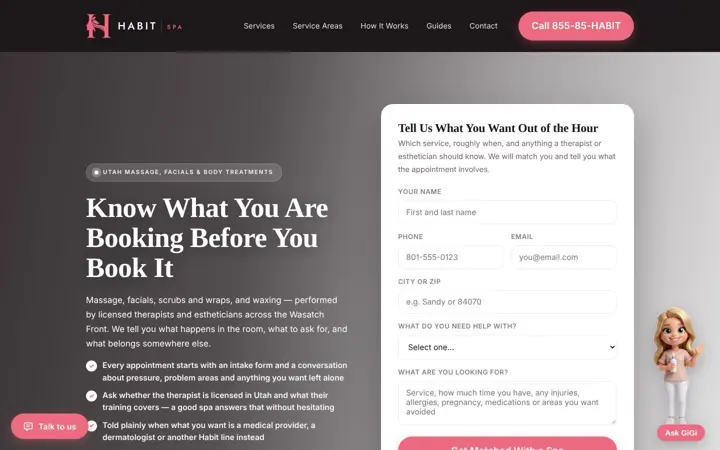
Lead Generation
The Habit Collection
Ten Utah beauty and wellness sites under one brand, sold together.
Questions people ask
Do I need to be a nurse or doctor to own an IV therapy business?
Not in every state. Some states let anyone own the business as long as licensed clinicians do the medical work under a medical director. Others have corporate-practice rules that require physician ownership. Check with a healthcare attorney in your state.
Can a registered nurse run an IV business alone?
Usually not. Regulators in several states have said an RN cannot decide on IV therapy without an exam and order from a physician, PA or nurse practitioner. The nurse administers; a prescriber orders.
How much does it cost to start a mobile IV business?
A lean mobile start using your own vehicle can be $5,000 to $15,000 before insurance and the medical director. A dedicated, fitted vehicle pushes it to $50,000 to $100,000.
How much do IV drips sell for?
Most drips sell for $100 to $400, with an average around $280. Add-on injections, memberships and group events raise the average ticket.
Sources
- American Med Spa Association: More states release guidance for IV therapy following Alabama's declaratory ruling
- CIA Medical: How to start an IV therapy business or clinic
- Gordon Feinblatt: Are IV businesses compounding prescriptions?
- California State Board of Pharmacy: Intravenous hydration policy
This guide is general information, not legal or medical advice. Rules differ by state and change often, so confirm the requirements with your state boards and a licensed attorney before you open.