
At a glance
- Industry size
- More than $17 billion (AmSpa)
- Lean med spa startup
- $50,000 to $100,000 for a leased suite
- Medical director retainer
- $500 to $3,000 a month
- States with corporate practice rules
- Roughly 33
- Typical time to open
- 4 to 9 months for a clinic, often faster mobile
Why mobile
A traditional med spa carries buildout, rent and often expensive devices. A lean clinic in a leased suite can run $50,000 to $100,000, a full-service location $150,000 to $500,000, and a single laser can cost $80,000 to $200,000. A mobile practice gives most of that up and starts with injectables, skin treatments and IV wellness that travel well.
Clients pay for the convenience, and group bookings, such as a neighborhood Botox party or a bridal morning, let one provider treat several people in one stop.
Ownership and the medical director
Botox and dermal fillers are prescription treatments, so the business needs a physician medical director with an active license in your state, a written agreement and clinical protocols. Retainers commonly run $500 to $3,000 a month.
- Ownership rules vary. About 33 states have some form of corporate practice of medicine doctrine that limits who can own a medical business, while non-physicians owned nearly two-thirds of med spas in 2022 by working within those rules.
- Nurse practitioners have full practice authority in about 27 states, and some states, including California, Florida and Texas, require stricter physician oversight.
- Who may inject, and under what supervision, is set by each state's medical and nursing boards. Check before you hire.
The good faith exam
Before a client receives a prescription treatment, a practitioner with prescriptive authority has to review their history and examine them to decide whether the treatment is appropriate. This is the good faith exam, and it establishes the practitioner-patient relationship the law requires.
Some states allow it by telehealth, which suits a mobile model, and some do not. The exam has to be documented in a medical record before treatment, not filled in afterward.
Running clinical care on the road
- Cold storage and secure transport for neurotoxins and other temperature-sensitive products.
- Sharps containers and a licensed medical waste arrangement.
- An emergency kit that follows your medical director's protocol, including what you need to manage a filler complication.
- HIPAA-compliant charting, consent and photo storage on a phone or tablet.
- Malpractice coverage for every provider, plus business and commercial auto insurance for travel.
Getting clients
Med spa clients research hard before they book. They look for a licensed provider, before-and-after results and reviews. The site has to show who will treat them and how they are verified, make booking simple, and explain each treatment plainly.
- A booking flow that lets clients choose a treatment, a time and their address.
- Provider profiles showing licenses and training.
- Hosted events and group bookings, which bring several clients per visit.
- Memberships for recurring treatments such as neurotoxin every few months.
- Referral partnerships with salons, gyms and wedding planners.
The order to do it in
- Speak with a healthcare attorney about your state's ownership, supervision and good faith exam rules.
- Sign a medical director and write protocols.
- Form the company and get your business licenses.
- Hire or contract licensed injectors and confirm their scope.
- Bind malpractice, business and auto insurance.
- Set up accounts with a licensed product supplier and a medical waste service.
- Build the brand, website and booking system.
- Launch with events and memberships, and collect reviews from day one.
The shortcut
Or start with the brand already built
Building a booking platform and a brand that clients trust with their face is the slowest part. A med spa Burro comes with the brand, the client and provider accounts, and the booking flow already built.
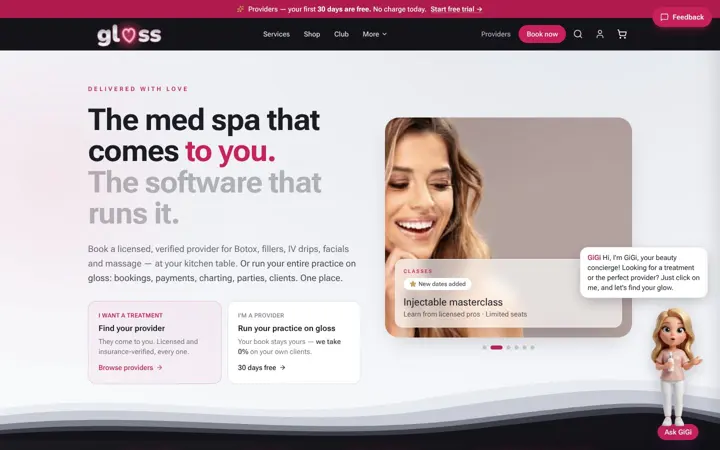
Beauty & Wellness
Gloss
An in-home med spa marketplace for Scottsdale and Phoenix, and the software that runs it.
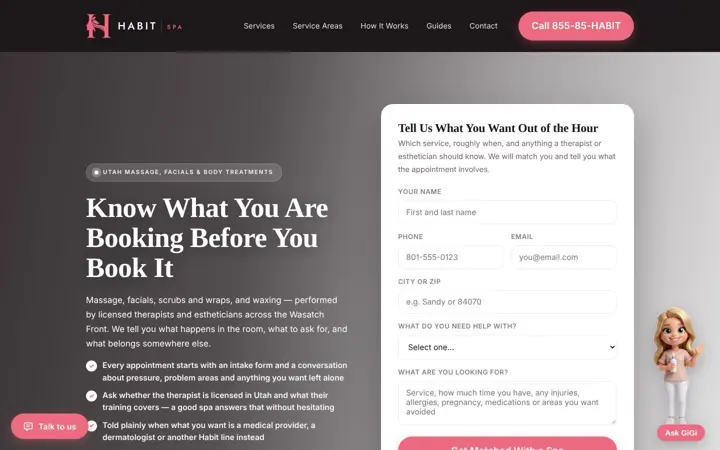
Lead Generation
The Habit Collection
Ten Utah beauty and wellness sites under one brand, sold together.
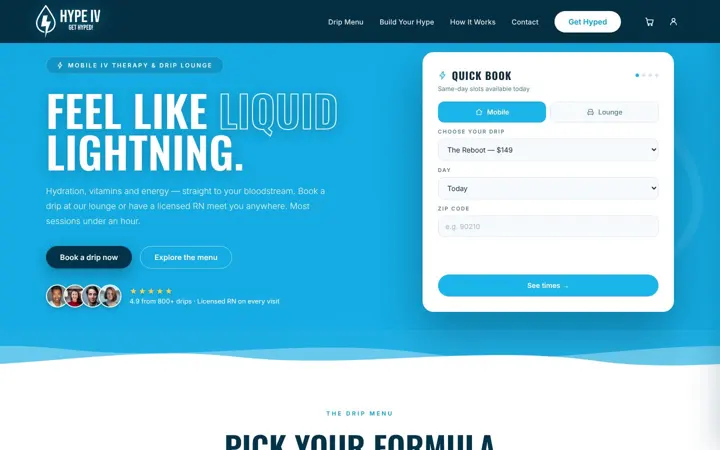
Health Services
Hype IV
Mobile IV therapy and a drip lounge, with booking on the home page.
Questions people ask
Can a nurse open a mobile med spa?
In many states a nurse or nurse practitioner can own the business side, but prescription treatments such as Botox still require a physician medical director and a good faith exam. State ownership and supervision rules vary, so confirm yours with a healthcare attorney.
How much does it cost to start a med spa?
A lean med spa in a leased suite can run $50,000 to $100,000, and full-service locations $150,000 to $500,000 or more. A mobile practice avoids most buildout and device costs.
Is a good faith exam required for Botox?
Yes. A practitioner with prescriptive authority must evaluate the client before a prescription treatment. Some states allow this by telehealth and some do not.
Do I need special insurance for a mobile med spa?
Every provider needs malpractice coverage, and the business needs general liability and commercial auto coverage for travel with medical supplies.
Sources
- American Med Spa Association: Med spa statistics
- Zenoti: How to open a medical spa
- Quarles: Med spa compliance series, the good faith examination
- CMF Group: The ultimate guide to starting your own medical spa
This guide is general information, not legal or medical advice. Rules differ by state and change often, so confirm the requirements with your state boards and a licensed attorney before you open.